
Key Takeaways
- A senior living care plan is a personalized roadmap that covers your loved one’s health, daily needs, and personal preferences.
- Care plans include medical needs, lifestyle preferences, and safety information.
- The process involves the resident, family, and care team working together.
- Plans are reviewed regularly and updated as needs change.
- Assisted living, memory care, and respite care each use care plans differently.
A Closer Look at Senior Living Care Plans
When you’re exploring All American Assisted Living at Wrentham or any other senior living option for a loved one, one question comes up again and again: how will their care actually be managed day to day? It’s a fair question, and it deserves a clear answer. A care plan is the foundation of that answer.
A senior living care plan is a personalized roadmap that outlines your loved one’s health needs, daily routines, and individual preferences, shared openly between the resident, their family, and the care team.
It’s not a generic checklist. It’s a living document built around the person your loved one truly is. If you’d like to learn more about what services are provided in assisted living communities, that’s a great place to start.
What Goes Into a Care Plan
Medical and Physical Needs
A care plan starts with your loved one’s health. This includes any health conditions they’re managing, medications they take, and the level of support they need with daily tasks like bathing, dressing, or getting around comfortably. The goal is to make sure caregivers have everything they need to provide the right support from day one.
This section of the plan also helps caregivers spot changes early. When everyone is on the same page about what’s typical for your loved one, it’s easier to notice when something feels off and respond with care and attentiveness.
Social and Lifestyle Preferences
Good care goes beyond physical health. A care plan captures the details that make your loved one who they are, including their favorite activities, hobbies, and community interests. Whether they love morning walks, book clubs, or attending religious services, those preferences are woven into their daily life. You can explore the range of weekly events and activities that help residents stay engaged and connected every day.
Social connections matter just as much as medical support. A care plan helps the team nurture those connections so your loved one feels seen, engaged, and genuinely at home. Staying socially connected plays a meaningful role in overall well-being, and a thoughtful care plan helps make that happen naturally.
Safety and Emergency Contacts
Every care plan includes key safety information. This means listing emergency contacts, identifying who can make healthcare decisions if needed, and outlining backup plans for unexpected changes in care. Having these details in place brings peace of mind to families and helps the team respond quickly and calmly when it counts.

How the Care Plan Process Works
The Initial Assessment
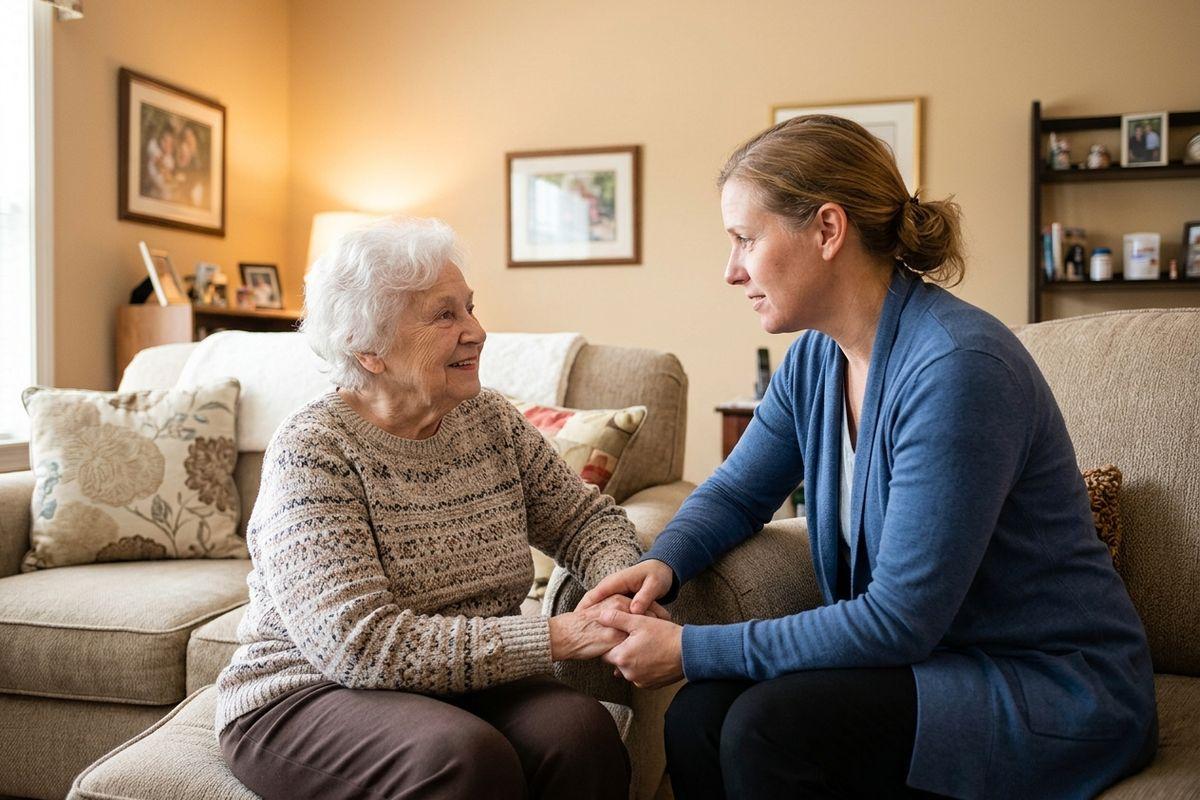
Before a care plan is finalized, the care team takes time to truly get to know your loved one. Nurses, caregivers, and family members all contribute to the conversation. Most importantly, your loved one’s own voice is central to the process. Their preferences, comfort levels, and goals shape every part of the plan. A tool like the “This is Me” questionnaire can be especially helpful in capturing those personal details that make care feel truly tailored.
This initial step sets the tone for the entire care experience. It’s less like an intake form and more like a meaningful conversation about what a good day looks like for your loved one.
Regular Reviews and Updates
A care plan isn’t written once and forgotten. It’s reviewed at least annually and revisited whenever there’s a significant change in your loved one’s health or daily needs. Families stay involved throughout this process, so you’re always in the loop, and your input always matters. As your loved one’s life evolves, their plan evolves with them.
How Care Plans Support Assisted Living, Memory Care, and Respite Care
Care plans look a little different depending on the type of support your loved one needs. Here’s how they take shape across three key care options:
- Assisted living: Care plans are tailored to support daily independence, offering just the right level of help without taking over. Your loved one can continue doing the things they enjoy while receiving support where it’s needed most. Learn more about personalized assisted living services and how they’re shaped around individual needs.
- Memory care: For those living with memory loss, care plans focus on structured routines built around individual needs and familiar comforts. Consistency and warmth are at the heart of every interaction. Dedicated memory care support helps residents feel safe and valued every single day.
- Respite care: Short-term care plans are designed for recovery after a medical event or to give family caregivers a well-deserved break. These plans are thoughtful, timely, and focused on comfort. You can find out more about what short-term respite care involves and how it can help your family.
What to Look for in a Senior Living Community
When you’re visiting a senior living community, ask how often care plans are reviewed and how families stay involved. Look for a team that treats your loved one as an individual, not just a name on a schedule. The way a community talks about care planning tells you a great deal about how they approach care overall.
A tour can show you so much more than a brochure ever could. You’ll see how caregivers interact with residents, how spaces are designed for comfort, and how a community feels from the inside. At All American Assisted Living at Wrentham, the team would love to walk you through their approach to personalized care firsthand.
Reach out today to schedule your visit and see what a warm, supportive community truly looks like.