
Key Takeaways
- Losing a spouse can quietly shrink a senior’s social world over time.
- Small, consistent steps, like reaching out first or trying a new activity, can rebuild connection.
- Family support plays a meaningful role in keeping loved ones socially engaged.
- Grief counseling and support groups offer safe, understanding spaces to heal.
- Assisted living communities provide built-in social opportunities that can help seniors feel at home again.
Life After Loss and the Social Shift That Follows
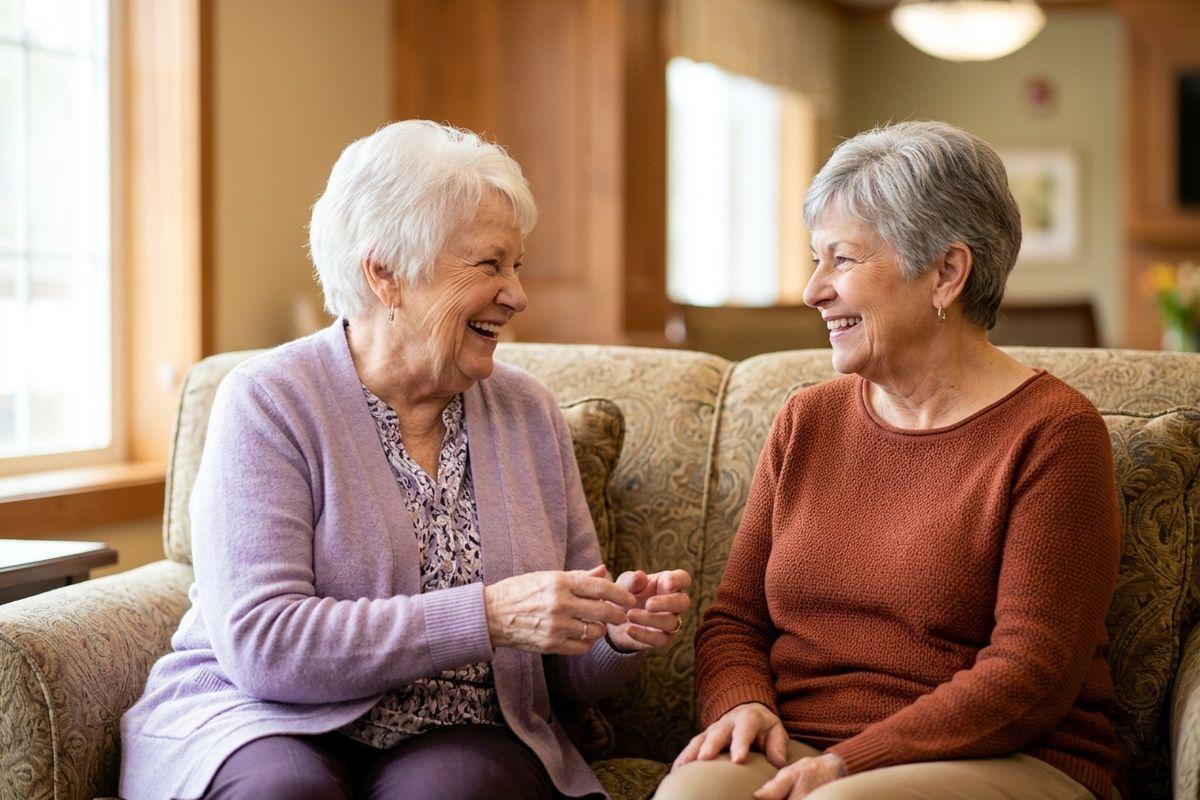
Losing a spouse is one of the most profound changes a person can face. Beyond the grief, daily life shifts in unexpected ways. Shared routines disappear, mealtimes feel quieter, and the social world that once felt full can slowly start to shrink. Social isolation in older adults can affect heart health, cognitive function, and overall well-being, making connection more important than ever.
Staying socially connected after losing a spouse is possible, and it can make a real difference in a senior’s emotional and physical well-being. It takes time, gentle encouragement, and the right kind of support, but connection doesn’t have to fade with loss. At All American Assisted Living at Wrentham, a warm, engaged life is still very much within reach, and the supportive community here is designed to help seniors feel connected every single day.
Simple Ways to Stay Connected and Find Joy
Reach Out Instead of Waiting
After a loss, it’s easy to wait for the phone to ring. But invitations from friends often slow down over time, not because people don’t care, but because they’re not always sure what to say. Taking the first step and reaching out can open the door back to connection.
Encourage your loved one to call a friend, suggest a coffee catch-up, or simply say yes to the next gathering, even a small one. These moments don’t need to be grand. A short visit or a familiar face across a table can be enough to remind someone they’re not alone. Staying connected through community involvement and regular social contact can ease loneliness in meaningful, lasting ways.
Explore New Interests and Activities
Trying something new after a loss might feel strange at first, but it can also bring a welcome sense of purpose. Book clubs, art classes, gardening groups, and volunteer work all offer natural ways to meet people and stay engaged with life. Participating in enjoyable activities as you age supports both mental and emotional health in ways that are hard to replicate elsewhere.
New hobbies create new conversations and new connections. Your loved one doesn’t have to feel passionate about something right away. Showing up is often the hardest and most worthwhile part, and from there, things tend to grow naturally. The weekly events and activities offered in senior living communities make it easy to find something that truly resonates.
Walk, Move, and Get Outside
A walk with a friend combines two things that genuinely support well-being: movement and conversation. Getting outside, even briefly, can lift mood and ease the weight of a difficult day. Walking offers a wide range of benefits for seniors, from heart health and joint mobility to mood improvement and social connection.
Fresh air and a change of scenery work in quiet but powerful ways. Whether it’s a stroll around the neighborhood or a sit in a sunny garden, time outdoors helps seniors feel more connected to the world around them.
The Role Family Can Play in Staying Social
Shared Meals Make a Big Difference
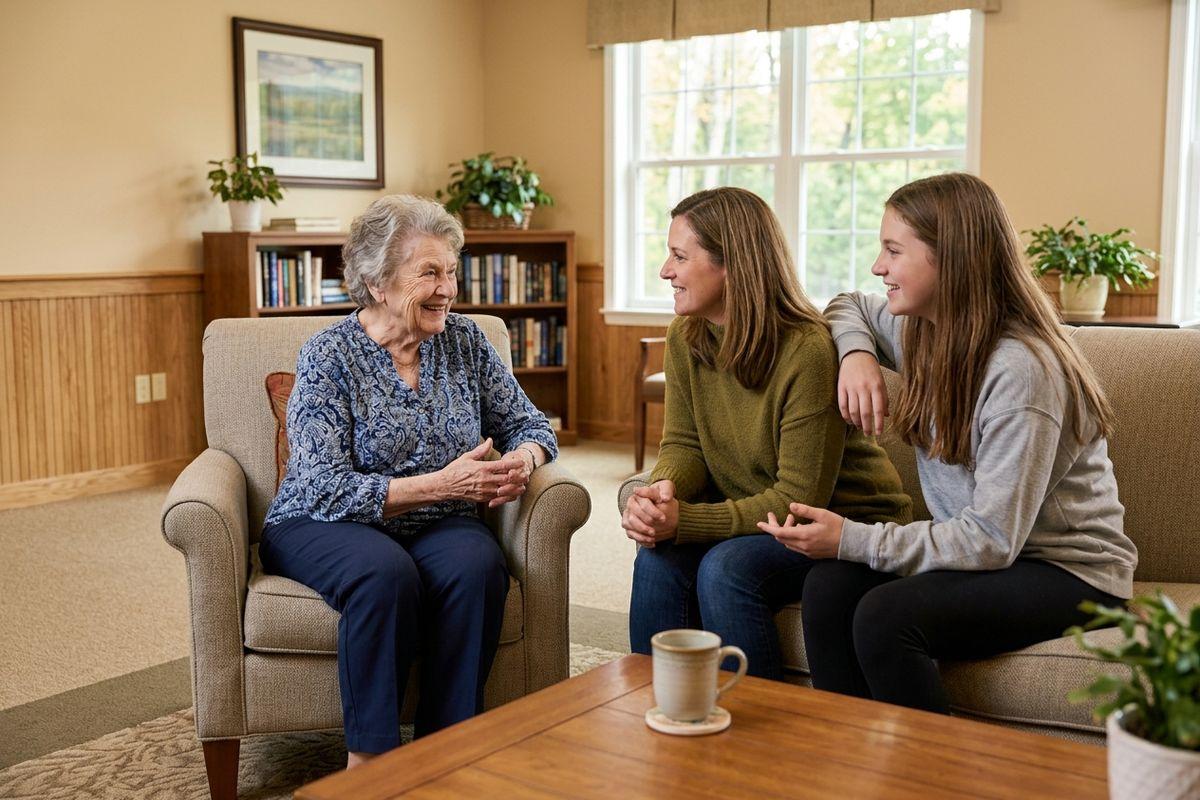
Mealtimes can become one of the lonelier parts of the day after losing a spouse. Sitting down together for a meal, even once a week, can ease that quiet in a meaningful way. It’s a simple gesture that carries a lot of warmth.
Regular visits don’t need a special occasion. Dropping by for dinner or bringing lunch keeps connection feeling natural and consistent, which is exactly what your loved one needs during this time. If you’re thinking about how to make this transition smoother, supporting a loved one through a move to assisted living offers practical guidance you can lean on.
Gentle Encouragement Goes a Long Way
It’s natural to want to fix things quickly when someone you love is hurting. But patience matters more than pushing for a fast recovery. Grief moves at its own pace, and your loved one needs space to feel what they feel while knowing you’re nearby.
Offer support without taking over their choices. Ask what they’d enjoy, follow their lead, and celebrate small steps forward. Your presence and understanding can do more than any well-meaning plan. If the weight of caregiving ever feels heavy, recognizing signs of caregiver burnout early can help you stay well enough to keep showing up for the people you love.
When Extra Support Can Help After a Loss
Sometimes, grief calls for more than family dinners and friendly walks. Grief counseling gives your loved one a safe, private space to open up and process what they’re experiencing without feeling like a burden to those they love. Depression in older adults can sometimes follow significant loss, and recognizing those signs early makes a real difference.
Support groups connect seniors with others who truly understand what it feels like to lose a partner. That shared understanding can be deeply comforting. Senior living communities also offer a built-in social environment where residents share meals, activities, and daily moments together, turning ordinary days into opportunities for real connection.
A New Chapter Filled with Connection and Community
Staying social after losing a spouse isn’t about moving on. It’s about moving forward, gently and at the right pace. Social connection supports emotional health, physical well-being, and a genuine sense of belonging, all of which matter deeply as life changes.
At All American Assisted Living at Wrentham, residents find warm community, engaging daily activities, and compassionate support designed around their individual needs. Whether you or your loved one are exploring assisted living, memory care, or respite care, there’s a welcoming space here where new friendships grow and every day holds something to look forward to. Reach out today to schedule a tour and see what life here can feel like.